
Days Out with Children
What to take on an outing with children: A complete guide
7 March 20267 min read
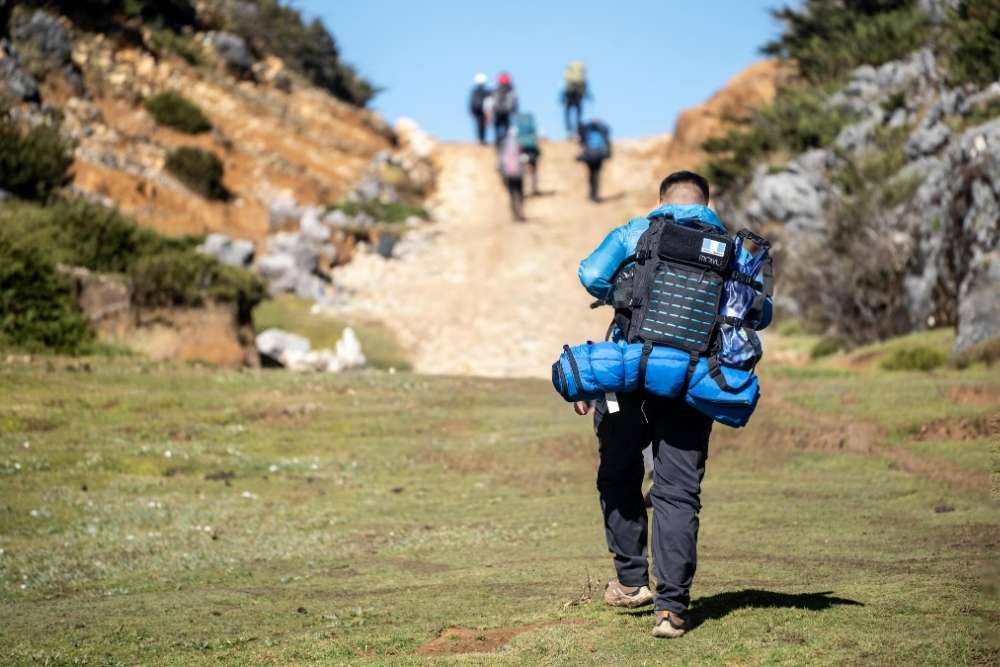
Organising an outdoor outing with the youngest members of the family is one of the most rewarding activities, but also one that raises the most questions about logistics. The question of what to take on an outing with children is not just about clothing or food, but about a whole system of preparation that ensures your children's safety, comfort and, above all, enjoyment.
A poorly organised rucksack or a missing essential can turn a day of adventure into a day of unnecessary stress. That is why this article details everything you need to make your next trip a resounding success. We will also look at how well-equipped destinations such as Dinolandia make this task much easier by offering an environment designed specifically for families looking to combine nature with the practical convenience that outings with children require.
Smart planning: The key to a successful family outing
Before you start putting things in your rucksack, it is essential to understand the environment you are heading to. A high-mountain route is not the same as a walk through a nature-based theme park. The key to being an expert at outings is thinking ahead. Preparing your equipment 24 hours in advance allows you to check the condition of your footwear, see whether your sunscreen bottles are full and make sure your devices' batteries are fully charged.
Planning also means checking the weather forecast for the specific area. In Madrid, the weather can change quickly, and a sunny morning can turn cool within hours. That is why choosing versatile items will be your greatest asset.
What to take on an outing with children: The essential checklist
This is the crucial section every parent should review before closing the car boot. We have divided the items into logical categories to make checking easier.
An ergonomic rucksack suited to your child's size
The rucksack is the central item. If your child is old enough to carry their own equipment, their rucksack should be ergonomic, with padded straps and, if possible, a chest fastening to distribute the weight. The golden rule is that the rucksack should not weigh more than 10-15% of the child's body weight. If your child is very young, parents should choose rucksacks with easy-access compartments for nappies or wipes.
A layering system: Technical clothing and hiking footwear
The most common mistake is wrapping children up too warmly. The ideal approach is a three-layer system: a breathable technical T-shirt, a warm garment (fleece) and a waterproof or windproof outer layer. Footwear should be designed specifically for trekking or hiking, with non-slip soles and, very importantly, already worn in. Never take a child on an outing in new boots, as rubbing will begin within the first few kilometres.
Regular hydration and snacks for lasting energy
Children become dehydrated faster than adults and often do not ask for water until they are already thirsty. It is vital to take at least 1,5 litres of water per person. As for food, avoid ultra-processed foods or excessive sugar, which causes energy spikes followed by tiredness. Choose:
- Nuts (if age-appropriate).
- Fresh fruit such as bananas or apples.
- Wholemeal bread sandwiches with lean protein.
A first aid kit and sun protection
Even on cloudy days, UV radiation in natural areas is high. Taking factor 50 sunscreen, lip balm and an effective insect repellent is a must. A basic first aid kit should include plasters in different sizes, saline solution, disinfectant, gauze and an ointment for bites or minor bumps.
Hygiene items and waste management (Zero Waste)
Being a good explorer means respecting your surroundings. Always take rubbish bags to collect all your waste, including organic scraps such as fruit peel, which, although biodegradable, do not belong in the ecosystem you are visiting. Wet wipes and alcohol-based hand sanitiser are also essential for maintaining hygiene before meals.
Equipment for pets: Do not forget your dog's rucksack
If you have pets, the question of what to take on an outing with children also extends to your four-legged friends. At places such as those featured on our location and opening hours page, dogs are a common and welcome sight, but they do need some basic equipment.
Your pet needs their own water supply and a portable water bowl. Do not assume they will find water in the wild, as it could be stagnant or contaminated. You also need to take a sturdy lead, poo bags and a snack to help them replenish their energy. Remember that intense physical exercise also tires animals, so the pace of the outing should be adapted to the slowest member of the group, whether that is a child or a dog.
Accessories that turn an outing into an educational adventure
To keep children interested, your equipment can include “little explorer” tools. Lightweight binoculars allow them to observe birds or details in the landscape from a distance. A magnifying glass is perfect for examining insects or plant textures without harming them.
Even a field notebook and some coloured pencils can turn a rest stop into a creative activity where they draw what they have seen. These items weigh very little and greatly increase the educational value of the outing, turning a simple walk into a live natural science lesson.
Dinolandia: The perfect destination to try out your explorer kit
Once you know what to take on an outing with children, the next step is to choose somewhere that makes things easy. Many mountain routes in Madrid are too demanding or lack basic facilities. By contrast, visiting the region's most spectacular dinosaur exhibition is a reliable choice for families.
An environment designed with parents' comfort in mind
In this park, the paths are well maintained so you can put your navigation skills into practice without unnecessary risks. It is the ideal place for children to get used to carrying their rucksack and walking on natural terrain, with the reassurance of having rest areas and facilities nearby. The park's staff are also always willing to help, something you can discover by reading more about Dinolandia and its history.

Easy access for pushchairs and pets
Unlike other nature outings where the terrain is rugged, accessibility has been taken into account here. If you are visiting with very young children, you can take a pushchair along much of the route. And, as we have already mentioned, the pet-friendly policy allows your dog to enjoy the day just as much as you do. It is the perfect combination of the wild adventure of prehistory and the comforts of modern leisure. You can find more details on the Dinolandia homepage to plan your next visit.
Common mistakes when packing children's rucksacks
The biggest mistake is packing too much weight. Many parents, worried about “what if…”, fill the rucksack with “just in case” items they never use. This only makes children tire sooner and associate the outing with unpleasant exertion.
Another common mistake is not testing the equipment beforehand. This includes everything from the torch (checking the batteries) to the fit of the rucksack straps. An incorrect fit can cause back pain or chafing on the shoulders that will ruin the day. The key is simplicity: take only what you need, but make sure it is good quality and works properly.
Frequently Asked Questions about what to take on an outing with children
Do you need to take hot food? It is not essential. In fact, for day trips, the most convenient option is to take cold or lukewarm food that does not require camping stoves or complicated preparation, which add weight and risk.
What type of footwear is best for summer? Even in hot weather, closed-toe footwear that protects the ankle and toes from stones or roots is always preferable. There are highly breathable hiking shoes that are ideal for Madrid's temperatures.
How much water should a child carry? It depends on their age and the intensity of the activity, but a good average is a 500ml bottle they can manage themselves, backed up by a larger reserve in the adults' rucksack.
Conclusion: Success lies in the details
Knowing what to take on an outing with children is the foundation for enjoying nature without mishaps. Carefully packing the rucksack, choosing layered clothing and focusing on hydration and health are the cornerstones of any responsible explorer's approach. However, equipment is only one part of the equation; the other is choosing the right destination.
Choosing places that make the experience easier, such as the facilities at Dinolandia, allows parents to relax and children to focus on what matters most: discovering the prehistoric world in a safe, natural environment. A good rucksack, suitable footwear and the company of your pet are the ingredients for an unforgettable day.
Remember that every outing is a learning experience. Over time, you and your children will refine your own checklist, leaving out unnecessary items and prioritising what really matters: time spent together as a family.
Pack your rucksack today, check the essentials and set off on an adventure to discover the dinosaurs in Madrid in the most expertly prepared and enjoyable way possible.
Fancy seeing them in person?
Dinolandia, El Bosque Encantado and Mineralandia: three parks in one, 50 minutes from Madrid.
Buy tickets